mosaic family support logo horizontal
Donate

Grieving Together, Grieving Differently: Bereavement Within a Family

News

16th September 2026

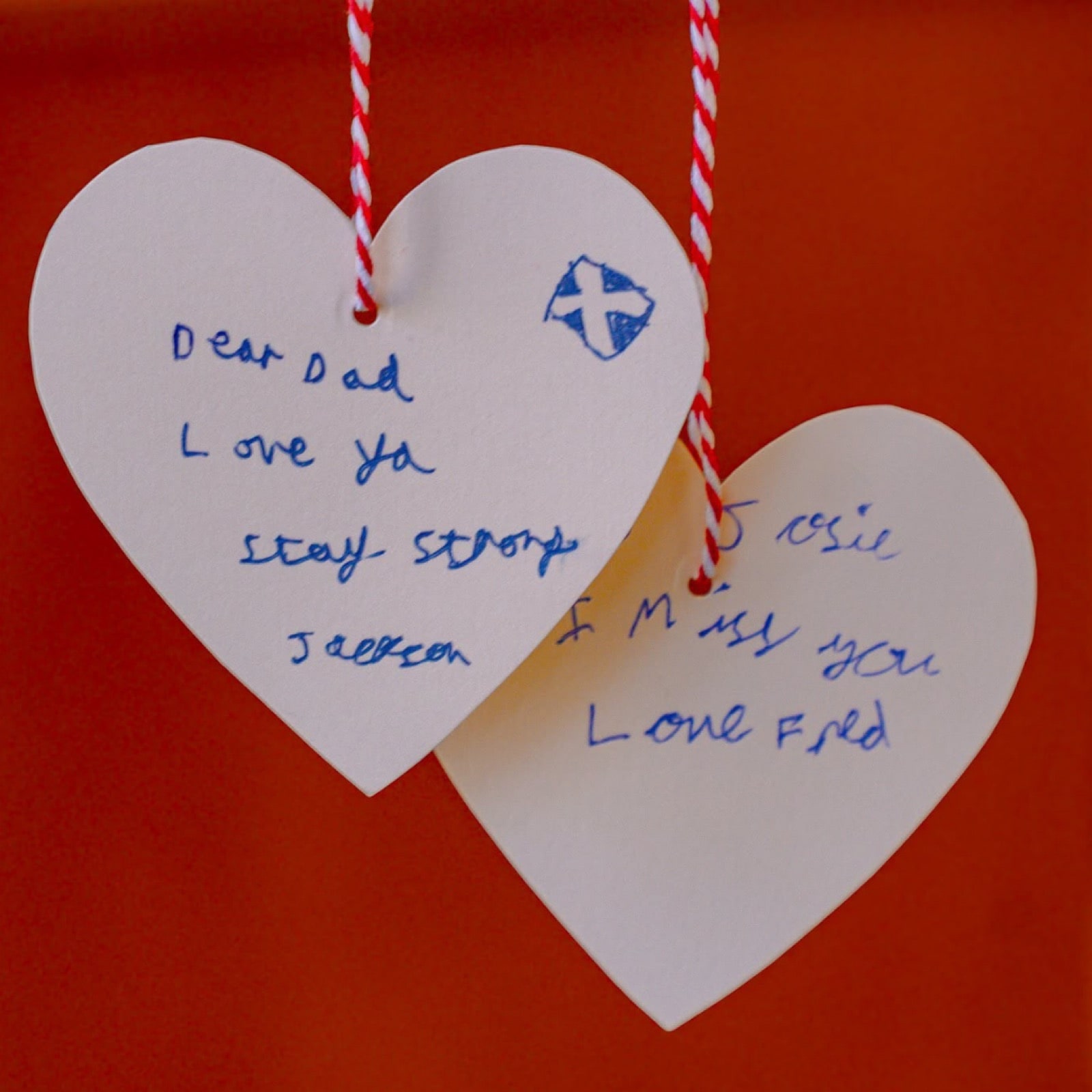
mosaic cards 1

When someone dies, everyone in the family feels the loss but that does not mean everyone will grieve in the same way.

One child may want to talk about the person who died all the time, while their sibling would rather not mention it. One parent may cry openly, while another focuses on work, routines or practical jobs. A teenager might seem fine one minute and feel overwhelmed the next.

At Mosaic, we know grief is personal. Even within the same family, there is no single “right” way to experience it.

The same loss can feel very different

Each family member has their own relationship with the person who died, so the loss will affect them differently.

Two siblings who lose a parent may have different memories, personalities and levels of understanding. A younger child might miss bedtime stories, school runs or everyday routines. An older sibling may also be thinking about future moments – birthdays, exams or other milestones where that person will no longer be there.

Adults may be dealing with something different again. Alongside their own grief, they may be trying to keep family life going and support the children around them.

The loss may be shared, but the experience of it is individual.

Grief does not follow a set path

Research into bereavement has moved away from the idea that everyone works through grief in a neat series of stages. Instead, people often move backwards and forwards between emotions and different ways of coping. Some days may feel very difficult, while others feel more manageable.

The Dual Process Model of Grief, developed by psychologists Margaret Stroebe and Henk Schut, describes this movement between being loss-focused and restoration-focused.

Someone who is loss-focused may be thinking about the person who died, talking about memories or feeling the pain of their absence. A restoration-focused griever may be returning to school or work, seeing friends, keeping busy or adjusting to everyday life.

Moving between the two can be a normal part of grief. Having fun or enjoying a good day does not mean someone has forgotten the person who died.

What grief can look like in children

Children do not always have the words to explain what they are feeling, so grief can often show itself through behaviour. A child may become more clingy, quiet or irritable. They might find it harder to concentrate, have trouble sleeping, ask the same questions repeatedly or become upset at unexpected moments.

They may also seem completely absorbed in play, school, sport or friends. Children can move in and out of grief quickly – upset one moment and laughing the next. Some also find comfort in keeping a connection with the person who died, perhaps through photographs, a special object, memories or family traditions.

What grief can look like in adults

Adults can respond in very different ways too.

Some may want to talk about what happened, spend time with others or look through photographs and memories. Others may focus on work, paperwork, household jobs or keeping routines going. Some people may feel exhausted or distracted, while others appear very organised and capable on the outside.

These differences can sometimes lead to misunderstandings. One person may wonder why someone else is not talking more, while another may feel pressure to show emotions they would rather process privately.

How visible someone’s grief is – does not tell us how deeply they are feeling it.

Why siblings may respond differently

Brothers and sisters can react to the same bereavement in completely different ways.

One child may want photos around the house, while another finds them difficult to look at. One may ask lots of questions, while another rarely brings the subject up.

A child might wonder why their sibling seems to be “coping better” or feel guilty for laughing and enjoying themselves. Some may even hold back from talking because they do not want to upset a parent or sibling.

We encourage families not to compare reactions, but instead to give each child space to respond in their own way.

Tips for supporting different grief within a family

When everyone is grieving differently, it can help to make room for those differences rather than expecting everyone to respond in the same way.

  • Avoid comparisons: crying more, talking less or getting back into a routine sooner does not mean someone cared more or less.
  • Keep communication open: let children and adults know they can talk when they want to, without pressuring them.
  • Respect different needs: one person may want company while another needs quiet.
  • Keep some familiar routines: everyday structure can feel reassuring, particularly for children.
  • Remember in different ways: photos, stories, creative activities or visiting a special place can all help, but no one should feel they have to join in.
  • Check in gently: a simple “How are you doing today?” can feel easier than asking someone to explain everything.
  • Expect grief to change: feelings can shift over time and may become stronger around birthdays, anniversaries or other milestones.
  • Seek extra support when needed: sometimes it is easier to talk to someone outside the immediate family.

How we can help at Mosaic

At Mosaic, we offer free bereavement support for children, young people and families across Dorset.

Depending on what a child, family or school needs, we can offer:

  • One-to-one specialist counselling: a safe place to talk, ask questions and explore feelings at their own pace.
  • Advice for parents and carers: helping adults understand changes in behaviour and difficult emotions.
  • Support for teachers and schools: guidance on supporting a bereaved child or young person.
  • Family activity days: opportunities for those we support to spend time together and meet others who have experienced bereavement.
  • Bereavement Cafés in some Dorset schools: giving children and young people a chance to meet others who have also experienced loss.
  • A space outside the family: somewhere children and young people can speak openly if they are worried about upsetting someone at home.

Our support is not about telling someone how they should feel or how quickly they should “move on”. We are here to help families understand what they are experiencing and find ways of coping that feel right for them.

Grieving together, in your own way

There is no rulebook for grief.

One person may need to talk. Another may need space. A child may show their feelings through behaviour, while an adult may cope by focusing on practical things.

At Mosaic, we believe grieving together does not have to mean grieving in the same way. By recognising those differences, we can help families feel more understood, supported and less alone.

If your family is living with bereavement and you feel some extra support could help, please get in touch with us at Mosaic. Whether you are a parent, carer, young person, teacher or school looking for guidance, we are here to listen and help you find the support that feels right for you.

Grieving Together, Grieving Differently: Bereavement Within a Family

16th September 2026

News

mosaic cards 1

When someone dies, everyone in the family feels the loss but that does not mean everyone will grieve in the same way.

One child may want to talk about the person who died all the time, while their sibling would rather not mention it. One parent may cry openly, while another focuses on work, routines or practical jobs. A teenager might seem fine one minute and feel overwhelmed the next.

At Mosaic, we know grief is personal. Even within the same family, there is no single “right” way to experience it.

The same loss can feel very different

Each family member has their own relationship with the person who died, so the loss will affect them differently.

Two siblings who lose a parent may have different memories, personalities and levels of understanding. A younger child might miss bedtime stories, school runs or everyday routines. An older sibling may also be thinking about future moments – birthdays, exams or other milestones where that person will no longer be there.

Adults may be dealing with something different again. Alongside their own grief, they may be trying to keep family life going and support the children around them.

The loss may be shared, but the experience of it is individual.

Grief does not follow a set path

Research into bereavement has moved away from the idea that everyone works through grief in a neat series of stages. Instead, people often move backwards and forwards between emotions and different ways of coping. Some days may feel very difficult, while others feel more manageable.

The Dual Process Model of Grief, developed by psychologists Margaret Stroebe and Henk Schut, describes this movement between being loss-focused and restoration-focused.

Someone who is loss-focused may be thinking about the person who died, talking about memories or feeling the pain of their absence. A restoration-focused griever may be returning to school or work, seeing friends, keeping busy or adjusting to everyday life.

Moving between the two can be a normal part of grief. Having fun or enjoying a good day does not mean someone has forgotten the person who died.

What grief can look like in children

Children do not always have the words to explain what they are feeling, so grief can often show itself through behaviour. A child may become more clingy, quiet or irritable. They might find it harder to concentrate, have trouble sleeping, ask the same questions repeatedly or become upset at unexpected moments.

They may also seem completely absorbed in play, school, sport or friends. Children can move in and out of grief quickly – upset one moment and laughing the next. Some also find comfort in keeping a connection with the person who died, perhaps through photographs, a special object, memories or family traditions.

What grief can look like in adults

Adults can respond in very different ways too.

Some may want to talk about what happened, spend time with others or look through photographs and memories. Others may focus on work, paperwork, household jobs or keeping routines going. Some people may feel exhausted or distracted, while others appear very organised and capable on the outside.

These differences can sometimes lead to misunderstandings. One person may wonder why someone else is not talking more, while another may feel pressure to show emotions they would rather process privately.

How visible someone’s grief is – does not tell us how deeply they are feeling it.

Why siblings may respond differently

Brothers and sisters can react to the same bereavement in completely different ways.

One child may want photos around the house, while another finds them difficult to look at. One may ask lots of questions, while another rarely brings the subject up.

A child might wonder why their sibling seems to be “coping better” or feel guilty for laughing and enjoying themselves. Some may even hold back from talking because they do not want to upset a parent or sibling.

We encourage families not to compare reactions, but instead to give each child space to respond in their own way.

Tips for supporting different grief within a family

When everyone is grieving differently, it can help to make room for those differences rather than expecting everyone to respond in the same way.

  • Avoid comparisons: crying more, talking less or getting back into a routine sooner does not mean someone cared more or less.
  • Keep communication open: let children and adults know they can talk when they want to, without pressuring them.
  • Respect different needs: one person may want company while another needs quiet.
  • Keep some familiar routines: everyday structure can feel reassuring, particularly for children.
  • Remember in different ways: photos, stories, creative activities or visiting a special place can all help, but no one should feel they have to join in.
  • Check in gently: a simple “How are you doing today?” can feel easier than asking someone to explain everything.
  • Expect grief to change: feelings can shift over time and may become stronger around birthdays, anniversaries or other milestones.
  • Seek extra support when needed: sometimes it is easier to talk to someone outside the immediate family.

How we can help at Mosaic

At Mosaic, we offer free bereavement support for children, young people and families across Dorset.

Depending on what a child, family or school needs, we can offer:

  • One-to-one specialist counselling: a safe place to talk, ask questions and explore feelings at their own pace.
  • Advice for parents and carers: helping adults understand changes in behaviour and difficult emotions.
  • Support for teachers and schools: guidance on supporting a bereaved child or young person.
  • Family activity days: opportunities for those we support to spend time together and meet others who have experienced bereavement.
  • Bereavement Cafés in some Dorset schools: giving children and young people a chance to meet others who have also experienced loss.
  • A space outside the family: somewhere children and young people can speak openly if they are worried about upsetting someone at home.

Our support is not about telling someone how they should feel or how quickly they should “move on”. We are here to help families understand what they are experiencing and find ways of coping that feel right for them.

Grieving together, in your own way

There is no rulebook for grief.

One person may need to talk. Another may need space. A child may show their feelings through behaviour, while an adult may cope by focusing on practical things.

At Mosaic, we believe grieving together does not have to mean grieving in the same way. By recognising those differences, we can help families feel more understood, supported and less alone.

If your family is living with bereavement and you feel some extra support could help, please get in touch with us at Mosaic. Whether you are a parent, carer, young person, teacher or school looking for guidance, we are here to listen and help you find the support that feels right for you.

Share this blog post:
View All Blog Posts